
Fukuoka food guide: Seven local dishes to try
Discover seven Fukuoka food specialities, from Hakata tonkotsu ramen, mentaiko and yatai to hot pots, seafood, udon and sweets, with ways to plan meals during a visit.
Last checked:
When visiting Fukuoka in Japan, tasting the local food is one of the things to look forward to alongside shopping and sightseeing.
Fukuoka is known as a food city. Besides internationally known Hakata tonkotsu ramen, there are steaming motsunabe, savoury mentaiko, lively evening yatai food stalls and fresh seafood from the Genkai Sea.
Fukuoka also offers a wide variety of food, from casual dishes for solo diners to traditional hot pots to share with friends.
If this is your first trip to Fukuoka, which local dishes should you try? This guide introduces seven signature foods, including their flavours, ways to enjoy them and suitable meal times, to help you plan meals around the city’s local cuisine.
1. Hakata tonkotsu ramen: A Fukuoka classic
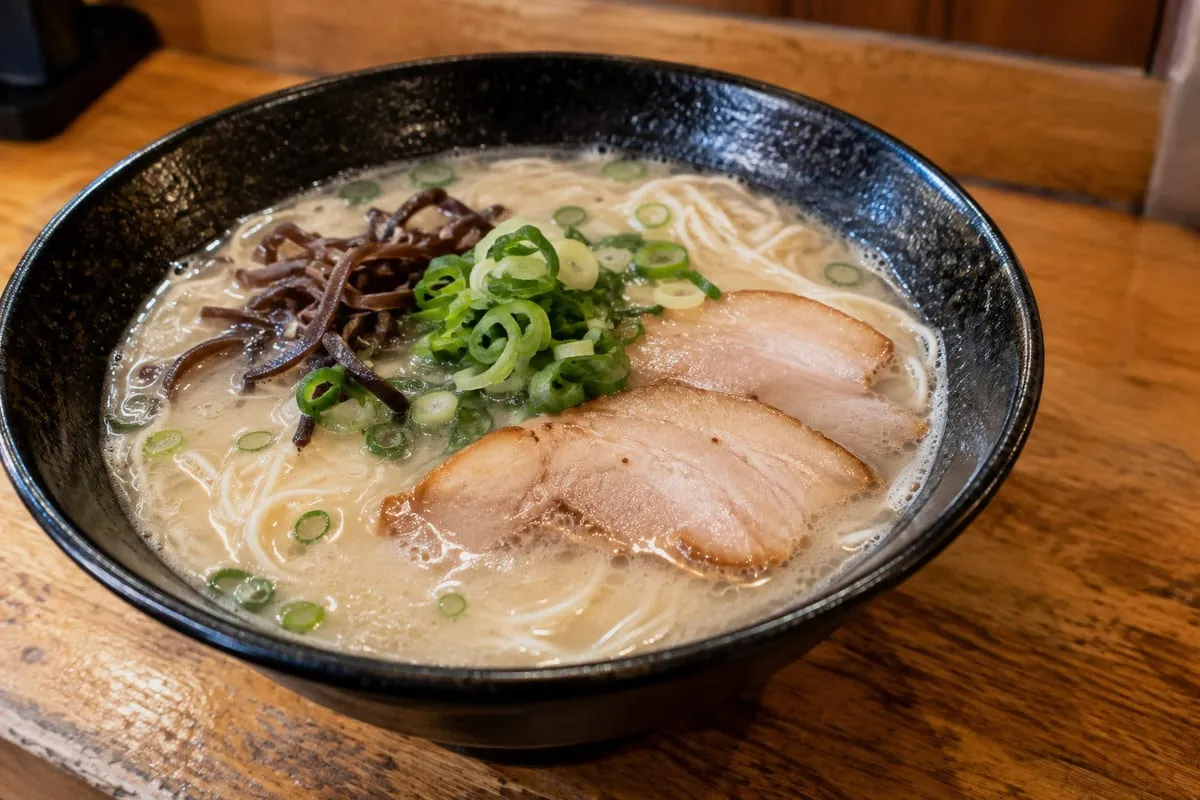
Hakata ramen, also called Hakata ramen in Japanese, is among Fukuoka’s most representative dishes. Its milky-white pork-bone broth, thin straight noodles, slices of pork, wood-ear mushrooms and spring onions look simple but draw travellers who come specifically to taste them.
The broth varies between ramen shops. Some are rich and full-bodied with a strong pork-bone aroma, while others are lighter, smooth and less heavy. Diners who like stronger flavours can choose a thick, frothy tonkotsu broth. First-time tonkotsu diners may prefer a gentler broth.
Hakata ramen also has a distinctive kaedama custom: after finishing the noodles, you can order an extra portion to add to the remaining broth. You can often choose the firmness of the noodles too: katame means firm and barikata is even firmer.
Ramen works well for lunch and is also popular in the evening.
Read more: Five recommended Hakata ramen shops
2. Mentaiko: Fukuoka’s savoury, lightly spicy speciality
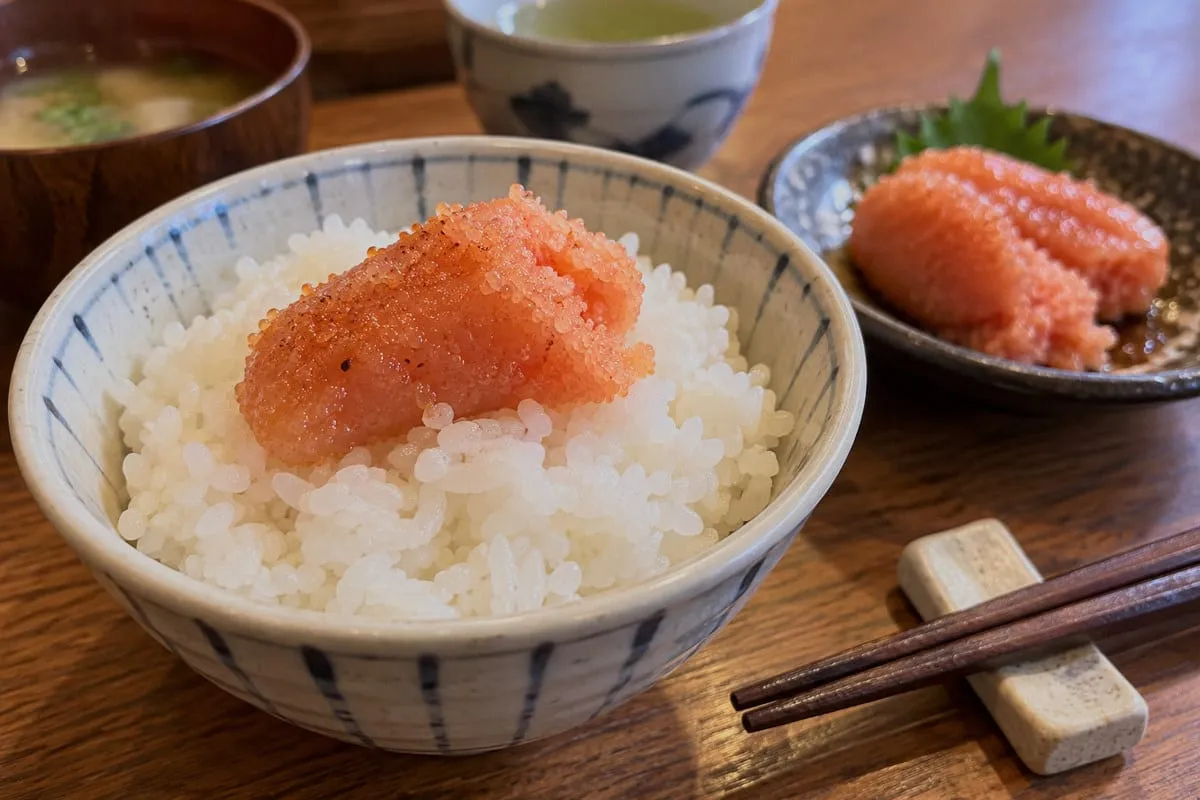
Mentaiko is seasoned and cured pollock roe, with a savoury, slightly spicy flavour and a distinctive granular texture. It is an important local speciality of Fukuoka.
The most traditional way to eat it is to place a small piece on hot white rice. The savouriness of the roe combines with the rice without needing additional seasoning.
But Fukuoka’s mentaiko dishes go well beyond rice.
Many restaurants now serve rice topped with a whole mentaiko, mentaiko and sea-bream ochazuke, or mentaiko set meals. Bread lovers can try mentaiko French bread, combining the roe with butter. It is crisp on the outside, soft inside and distinctly savoury.
For something to take home, processed products such as mentaiko rice crackers and mentaiko sauce are easier to carry.
Read more: Recommended mentaiko dishes in Fukuoka
3. Fukuoka yatai: Evening street-food culture
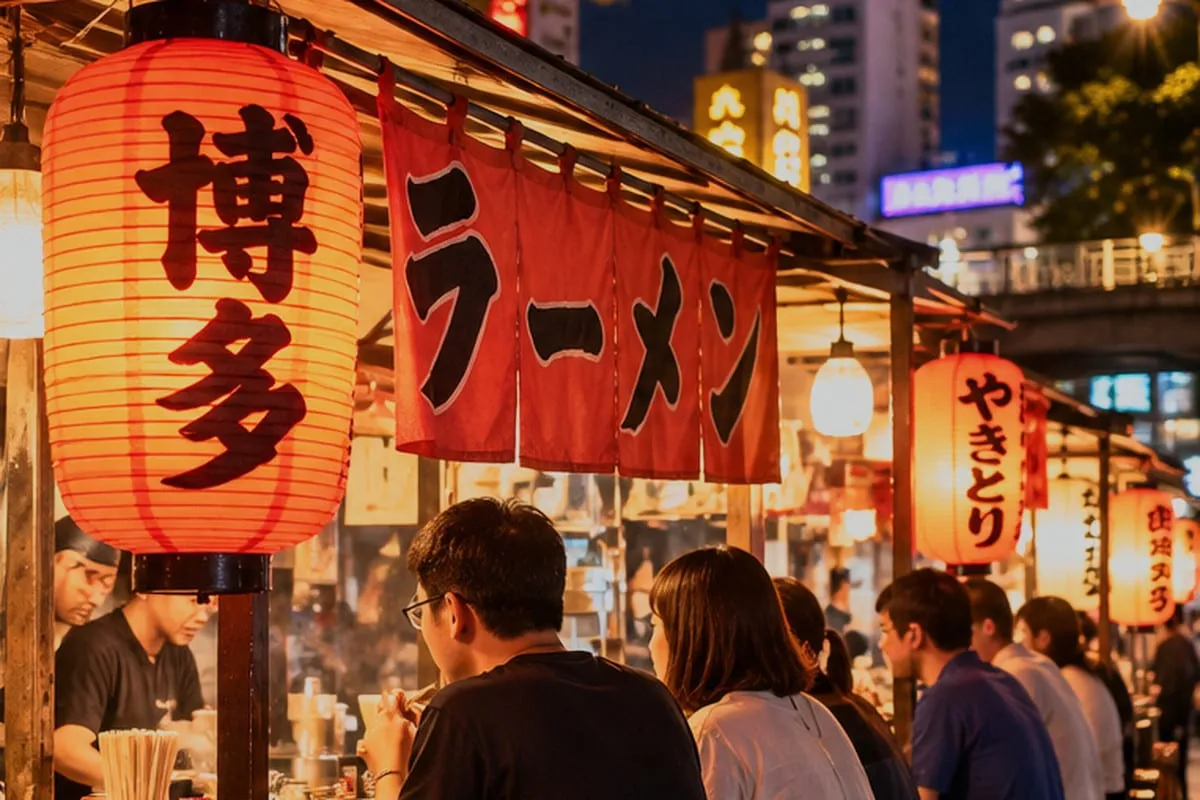
After dark, small stalls with lit lanterns appear on Fukuoka’s streets. These are the city’s well-known yatai food stalls.
Nakasu, Tenjin and Nagahama are popular places to experience yatai culture. Customers sit around small counters, eat and chat with stall owners or other diners, making it a distinctive part of Fukuoka nightlife.
Yatai serve more than ramen. You may find oden, grilled skewers, pan-fried gyoza, fried ramen and, at some stalls, creative Western dishes.
Most yatai start opening around 6 pm to 7 pm, but heavy rain, strong winds and other weather can cause unexpected closures.
For a first visit, check the menu prices and whether there is a minimum order or appetiser charge. As not every stall accepts credit cards, it is useful to carry some cash.
Useful link: Fukuoka City’s official yatai map. For seating and rules, see the Fukuoka yatai guide for first-time visitors.
4. Motsunabe and mizutaki: Two classic Fukuoka hot pots
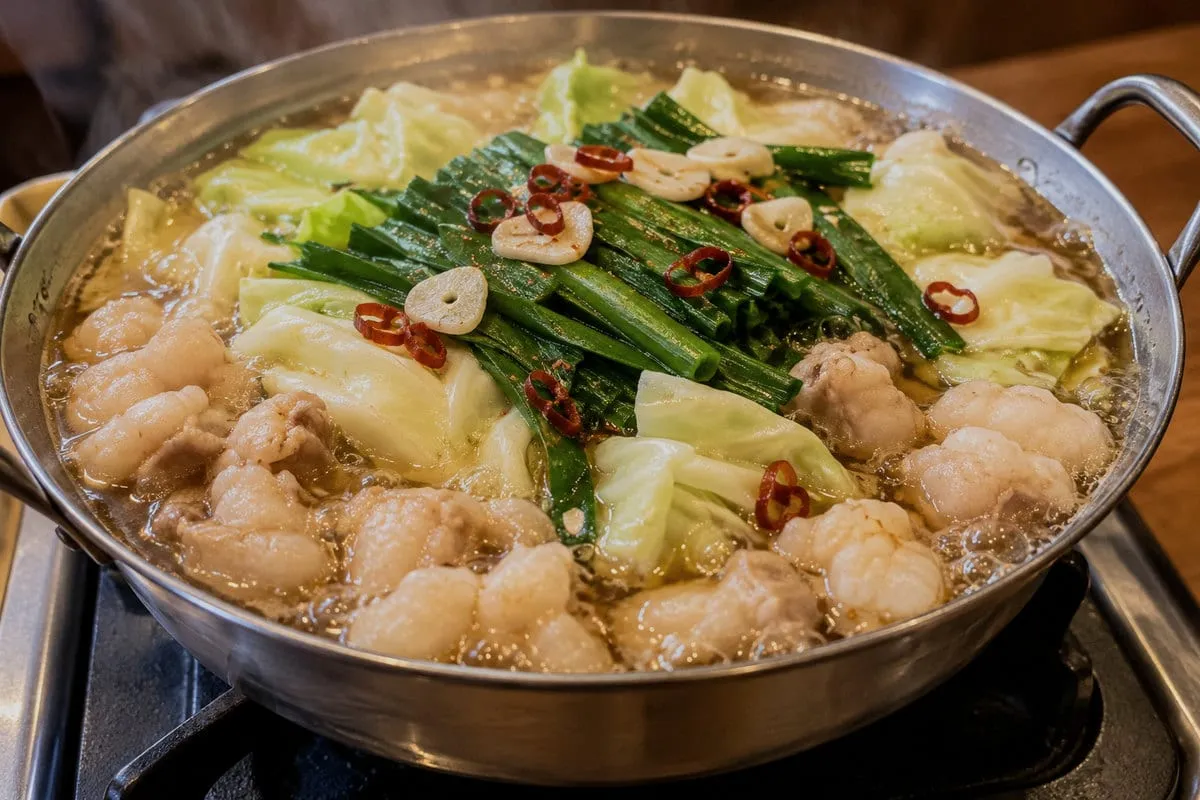
When travelling with family or friends, two Fukuoka dishes suited to sharing are motsunabe (offal hot pot) and mizutaki (chicken hot pot).
Motsunabe contains mainly beef offal, garlic chives, cabbage and garlic, cooked in a soy sauce, miso or salt-based broth. The offal is rich in fat, soft but springy in texture, and releases a deep savoury flavour as it cooks.
After the offal and vegetables, champon noodles are often added to soak up the remaining broth.
Mizutaki centres on chicken. Long simmering brings the flavour of chicken meat and bones into the soup. Traditionally, diners first taste the broth, then eat the chicken and vegetables, and finish by cooking rice in the remaining soup to make zosui.
Choose motsunabe if you enjoy rich garlic flavours; if you prefer a gentler chicken broth, try mizutaki.
5. Fukuoka seafood: Fresh catches from the Genkai Sea
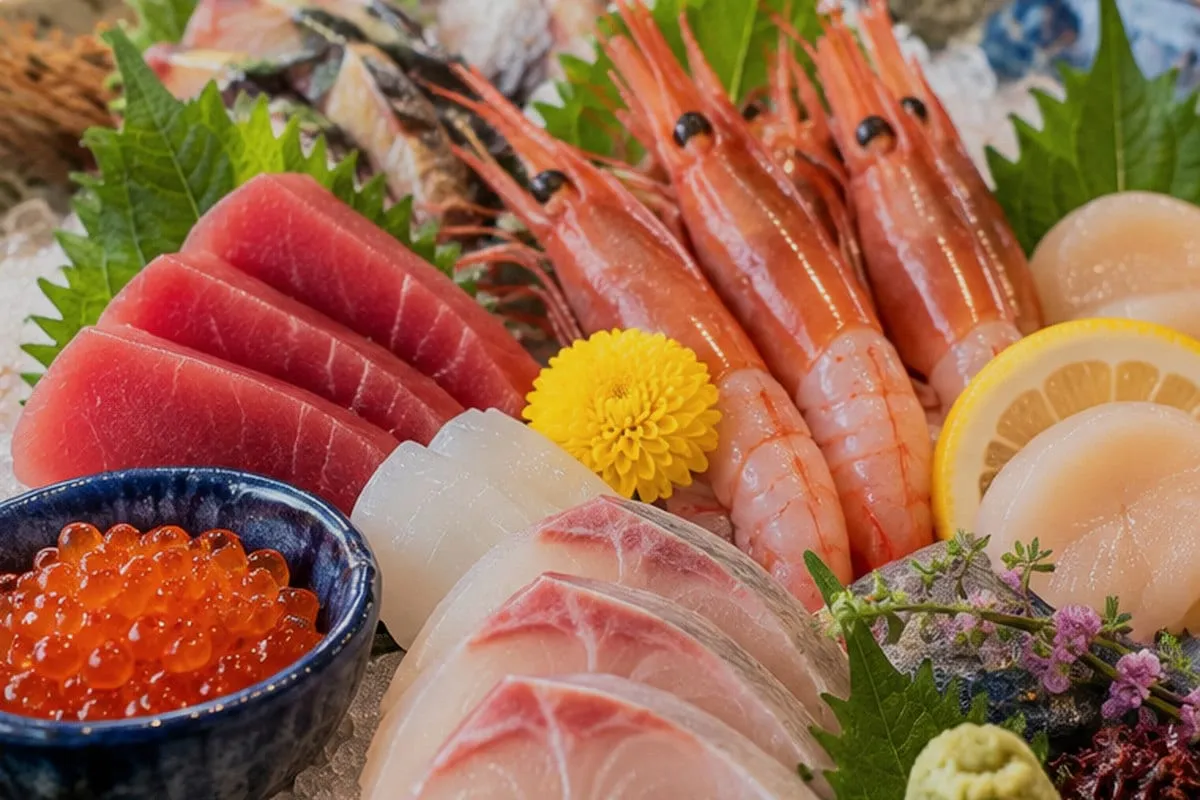
Fukuoka faces the Genkai Sea and is close to productive fishing grounds, making seafood another local food worth trying.
One representative dish is gomasaba: fresh mackerel suitable for raw consumption is sliced like sashimi and served with sesame, soy sauce and other seasonings, combining the sweetness of fish with sesame aroma.
Other seafood options include live squid sashimi, seafood rice bowls, sushi and seasonal fish dishes. Seafood lovers can look for izakaya around Tenjin and Hakata Station, or restaurants near Nagahama Fish Market.
Restaurants on the ground floor of the Nagahama Fish Market’s Market Hall are open to general visitors, but the wholesale area is not a place for unrestricted shopping.
For more affordable seafood, look for lunchtime set meals. Some restaurants offer sets with a fish main dish, rice and miso soup.
6. Hakata udon: Soft noodles and light dashi broth
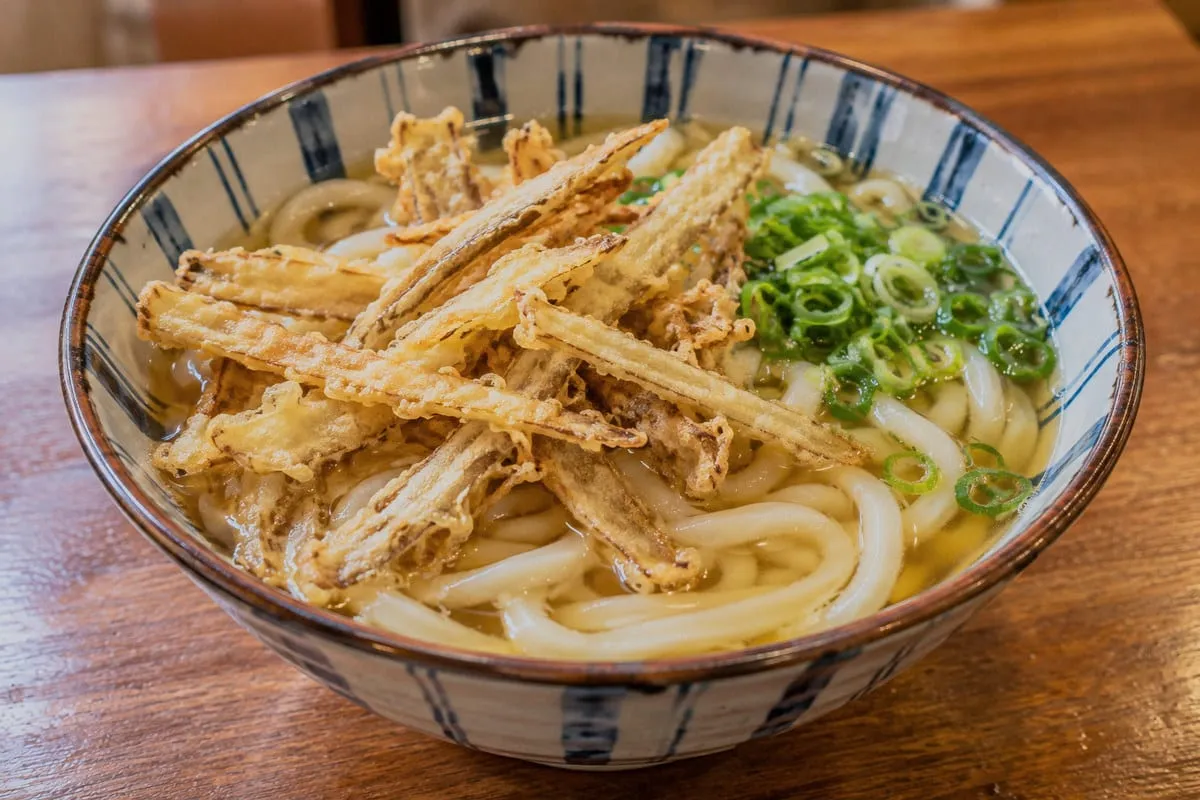
Alongside ramen, Hakata udon is a local favourite in Fukuoka.
Unlike the firm and chewy texture commonly associated with Sanuki udon, Hakata udon is characterised by soft, easy-to-eat noodles. Its broth is often prepared with kombu, bonito, flying fish or dried small fish, giving it a light savoury flavour.
A typical topping is goboten, burdock-root tempura. When crisp fried burdock is placed in hot soup, the coating gradually absorbs the broth, creating a different texture.
Another common Fukuoka udon style is maruten udon, topped with a round fried fishcake.
Many local diners also add kashiwa onigiri, seasoned rice balls made with chicken.
After several rich meals during a trip, a bowl of light Hakata udon can be a change of pace.
7. Fukuoka sweets and souvenirs: Strawberries, wagashi and local classics
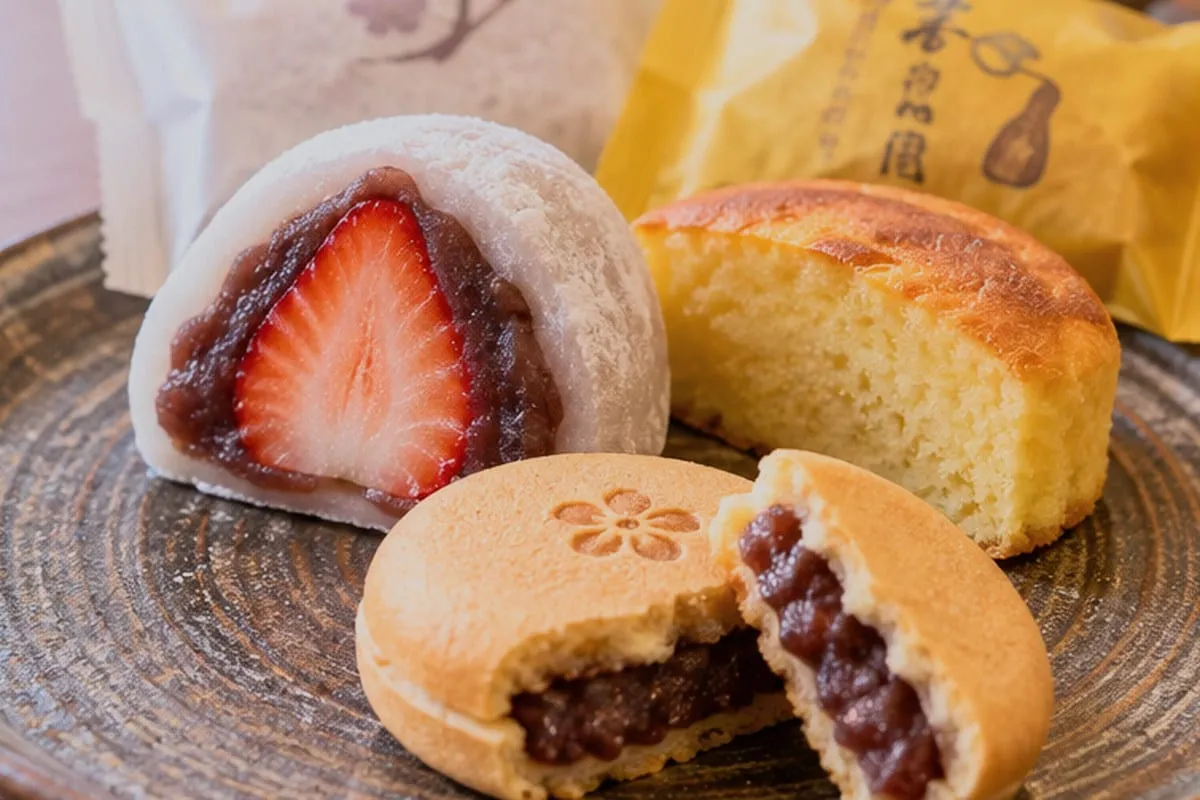
After savoury dishes, leave some room for dessert.
One of Fukuoka’s best-known fruits is the Amaou strawberry. The fruit is usually large and aromatic, and winter through spring is a particularly suitable period for strawberry cakes, parfaits and daifuku made with fresh fruit.
Besides fruit-based desserts, Fukuoka has many long-established traditional wagashi, such as Tsukushi Mochi with soybean powder and brown sugar syrup, and Hakata Torimon with a soft exterior and milky filling.
For gifts to take home, stores such as Ming and DEITOS inside Hakata Station sell individually packed sweets, rice crackers and other foods.
Check best-before dates and storage instructions before buying. Room-temperature sweets are usually easier to carry; refrigerated products are better bought closer to departure from Fukuoka.
Read more: 10 recommended Fukuoka souvenirs
How to plan meals on a first visit to Fukuoka
With only two or three days, you do not have to visit a popular restaurant for every meal. Instead, fit food stops around where you will be sightseeing.
For example, have ramen or udon around Hakata Station at lunchtime, strawberry desserts in Tenjin in the afternoon, motsunabe for dinner, then experience the yatai atmosphere in Nakasu. On another day, make time for mentaiko rice or fresh seafood.
Popular restaurants may have queues during busy lunch and dinner hours, so avoid making the itinerary too tight.
Part of Fukuoka food’s appeal is that each dish has its own character. Whether you prefer rich flavours, lighter soup, seafood or desserts, there are meals to look forward to.
Further reading
Sources
- 福岡市觀光情報網站 よかなび:屋台 (yokanavi.com, checked 2026-10-19)
- 福岡市 鮮魚市場的見學(長浜鮮魚市場) (www.city.fukuoka.lg.jp, checked 2026-10-19)